Every November, the air gets a little crisper and the leaves turn a little brighter, but there’s more to this month than just turkey and pumpkin spice lattes. It’s Native American Heritage Month, a time dedicated to honoring the rich cultures, histories, and contributions of Native Americans. This celebration isn’t just a footnote in history books; it’s a vibrant tapestry of stories waiting to be explored.
So, when exactly does this month of appreciation kick off? It starts on November 1st and runs all the way to the 30th. It’s the perfect opportunity to dive into the diverse traditions and legacies that shape the fabric of the United States. Buckle up for a journey that’s both enlightening and entertaining—because who said learning can’t come with a side of laughter?
Overview of Native American Heritage Month
Native American Heritage Month occurs from November 1st to 30th. This designated time honors the diverse cultures, histories, and contributions of Native Americans across the United States. Celebrated since 1990, the month emphasizes recognition and appreciation of the rich legacies of Indigenous peoples.
Activities throughout November include cultural events, educational programs, and community gatherings. Schools often incorporate lessons to teach students about the history and contributions of Native American tribes. Various museums and cultural institutions feature special exhibitions and programs, showcasing artifacts and storytelling.
Organizations promote awareness through events like powwows, art displays, and film screenings. These gatherings not only celebrate tradition but also encourage conversations about the ongoing struggles faced by Native nations. Engaging with local tribes and communities enhances the understanding of their unique identities and experiences.
Each year, federal proclamations affirm support for Native American Heritage Month. Leaders highlight the importance of recognizing past injustices while celebrating present-day cultures. Communities across the nation unite to reflect on Native American resilience and contributions to society.
Educational resources play a crucial role in informing the public about Native American history. Libraries and online platforms offer materials for better understanding Indigenous perspectives. Advocacy for justice and rights continues to be a focal point of discussions during this month.
Participation in Native American Heritage Month fosters inclusivity and respect. Through collective efforts, individuals gain appreciation for the vibrancy of Native cultures and the enduring impact these communities have on American society.
History of Native American Heritage Month
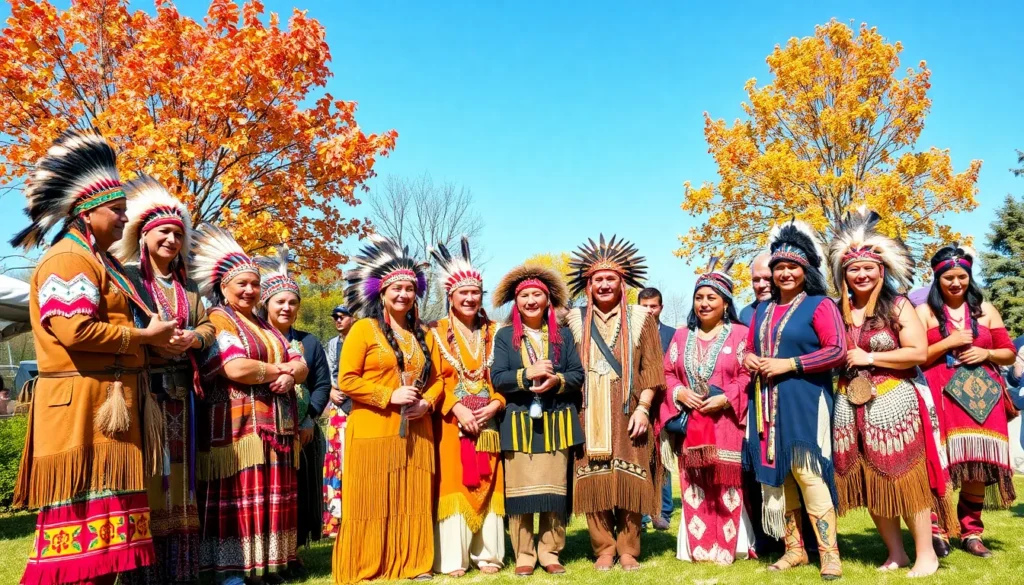
Native American Heritage Month celebrates the rich cultures and histories of Indigenous peoples in the United States. This annual observance highlights the contributions and struggles of Native Americans throughout history.
Origin and Establishment
Native American Heritage Month originated in 1990 when President George H.W. Bush proclaimed November as a time for recognizing Native American culture and its contributions. Prior to this, efforts to honor Indigenous peoples began in 1916, with several states already celebrating days of recognition. Gradually, awareness of the need for a unified month grew, leading to formal establishment by Congress. This initiative aimed to promote understanding and appreciation of Native American traditions across the nation.
Key Milestones
Significant milestones punctuate the history of Native American Heritage Month. In 1990, Congress passed a bill designating November as Native American Heritage Month, with the first official celebration occurring that same year. In 2009, President Barack Obama announced a nationwide theme for each year’s observance, emphasizing Indigenous cultures and histories. Over the years, various educational programs and initiatives increased visibility, transforming the month into a time for reflection and recognition. Notably, many states introduced complementary proclamations to enhance community engagement during this celebration.
Importance of Native American Heritage Month
Native American Heritage Month serves as a vital period for honoring the cultures and histories of Indigenous peoples. This recognition encourages deeper understanding and appreciation across communities.
Cultural Significance
Cultural ceremonies during this month showcase traditional practices, languages, and art forms. Celebrations provide opportunities to experience and learn about various tribal customs, fostering community bonds. Storytelling plays a crucial role, with elders sharing tales that reflect Indigenous wisdom. Participation in these events helps bridge cultural gaps, encouraging respect and understanding. Learning these customs enriches the collective experience, allowing individuals to form connections with Native cultures.
Contributions of Native Americans
Native Americans have made significant contributions to areas such as agriculture, governance, and the arts. Many staple crops, including corn, beans, and squash, trace their origins to Indigenous farming practices. Participation in early democratic processes influenced modern governance structures. Artistic expressions in visual arts, music, and literature showcase the depth of Native traditions. These contributions continue to enrich American society, ensuring their cultural legacies thrive through generations. Engaging in discussions about these impacts facilitates recognition of history and promotes inclusivity.
Celebrating Native American Heritage Month
Native American Heritage Month provides a meaningful opportunity to honor Indigenous cultures and histories. Throughout November, communities across the United States unite to celebrate this vibrant heritage.
Events and Activities
Cultural events, educational programs, and community gatherings enrich Native American Heritage Month. Schools implement lessons that highlight the histories and contributions of Native American tribes. Museums and cultural institutions host special exhibitions showcasing Indigenous art and storytelling. Powwows, art displays, and film screenings engage communities, promoting awareness of the ongoing struggles faced by Native nations. Each activity facilitates conversations around heritage and legacy, creating an understanding of Native American traditions and contemporary issues.
Involvement of Communities
Communities play a significant role in the celebrations. Local organizations and leaders collaborate to raise awareness through workshops and cultural exchanges. Churches and schools often work together to host events that reflect the rich legacies of Indigenous peoples. Participants engage in storytelling sessions led by elders, fostering intergenerational connections. Individuals contribute by attending gatherings, sharing knowledge, and celebrating customs that strengthen community bonds. Together, these efforts cultivate an environment of respect and appreciation for Native American cultures.
Native American Heritage Month is a crucial time for reflection and appreciation of the diverse cultures and histories of Indigenous peoples. Celebrated throughout November, it provides an opportunity for communities to engage in meaningful discussions and activities that honor the contributions of Native Americans.
As events unfold across the country, they foster a deeper understanding of the ongoing struggles and triumphs faced by Native nations. This month serves not only as a celebration but also as a call to action for all to recognize and respect the rich legacies that continue to shape American society today.