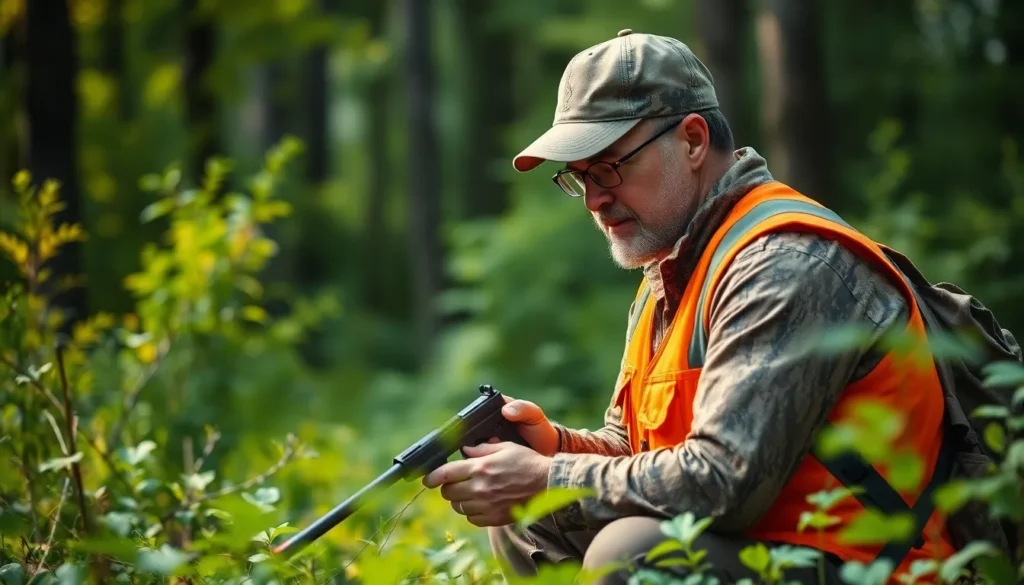
Responsible hunters aren’t just out for a thrill; they’re the unsung heroes of wildlife conservation. Picture this: a group of dedicated individuals, camouflaged and armed with knowledge, not just rifles. They understand that hunting is more than a sport; it’s a commitment to preserving nature and maintaining ecological balance.
These hunters follow the rules, respect the land, and promote sustainable practices. They recognize that every shot taken has a ripple effect on the ecosystem. So while they might enjoy the occasional trophy, their true trophy lies in ensuring future generations can experience the great outdoors. Join the ranks of those who hunt responsibly, and discover how they make a difference, one deer at a time.
What Do Responsible Hunters Do?
Responsible hunters actively contribute to wildlife conservation efforts. They comply with hunting regulations, ensuring they understand local laws and seasons. Following guidelines minimizes overhunting and promotes sustainable practices.
Respecting the environment is another key aspect of responsible hunting. They utilize biodegradable products and limit waste. Engaging in ethical hunting practices, these individuals prioritize animal welfare and avoid unnecessary suffering.
Education plays a significant role in responsible hunting. Many hunters participate in training programs to enhance their skills and knowledge. Sharing insights with fellow hunters fosters a responsible hunting community.
Participating in habitat improvement initiatives is common among responsible hunters. They often volunteer for projects like planting native vegetation or restoring ecosystems. These efforts create a healthier environment for wildlife and enhance biodiversity.
Responsible hunters advocate for conservation policies, supporting organizations that work to protect habitats. They recognize the interconnectedness of all species and understand that preserving ecosystems benefits everyone. Engaging in these activities demonstrates their commitment to the natural world.
Responsible hunters exhibit dedication to ecology, compliance, and education. They actively work towards maintaining a balanced ecosystem, ensuring future generations can experience the beauty of nature.
Practices of Responsible Hunters
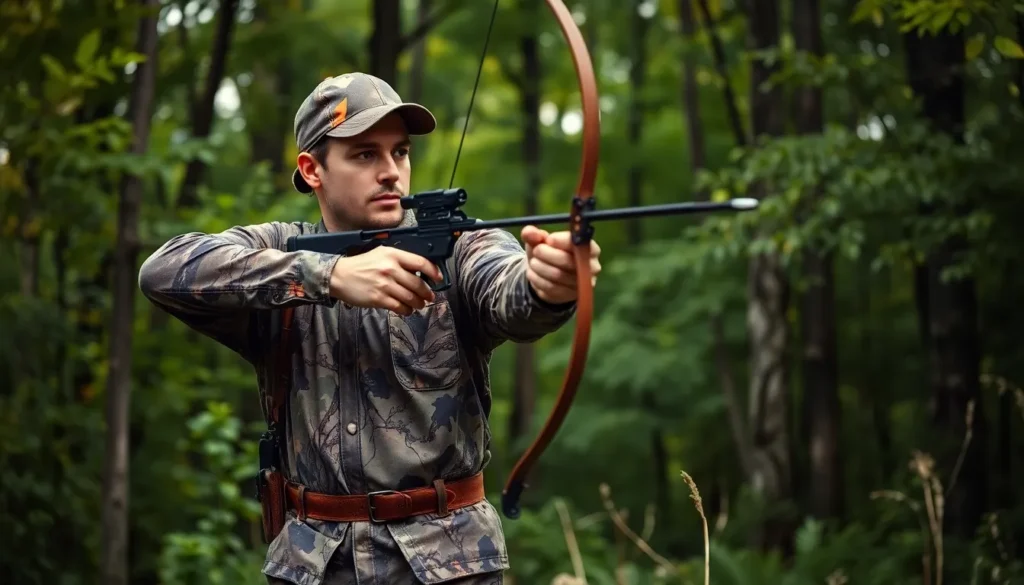
Responsible hunters implement practices that support wildlife conservation and ethical standards. Their commitment extends beyond hunting for sport; it encompasses respect for the environment and animal welfare.
Ethical Hunting Techniques
Ethical hunters prioritize humane killing methods that minimize suffering. They aim for clean shots to ensure quick harvests. Many use firearms or archery equipment suited for the targeted species, which prevents unnecessary pain. Hunters also practice fair chase principles, avoiding situations where animals cannot escape. Adopting non-lead ammunition fosters animal welfare and environmental health. Moreover, they engage in practices that utilize every part of the animal, reducing waste and promoting conservation.
Adhering to Local Regulations
Local hunting regulations guide responsible hunters in maintaining wildlife populations. He or she respects specific hunting seasons and bag limits as they are crucial for ecosystem balance. They ensure compliance with licensing requirements, which contributes to lawful hunting practices. Many hunters also participate in mandatory training programs that educate them on safety and conservation. Following these guidelines not only protects wildlife but also enhances the hunting experience for future generations. Involvement in these regulations signifies a commitment to sustainable practices and the preservation of natural resources.
Conservation Efforts
Responsible hunters play a vital role in wildlife conservation. Their actions significantly contribute to preserving ecosystems and protecting animal populations.
Supporting Wildlife Conservation
They participate actively in initiatives that support wildlife conservation. Responsible hunters often collaborate with local organizations to manage wildlife populations effectively. Such involvement includes funding research efforts that track animal health and population dynamics. Programs that educate the public about responsible hunting practices are often supported by these hunters. By sharing their knowledge, they help foster a community that values conservation over exploitation. Donations from hunting licenses typically fund wildlife management programs, reinforcing this commitment to supporting biodiversity.
Habitat Preservation
Habitat preservation remains a core focus for responsible hunters. Restoration projects, such as wetlands rehabilitation and reforestation efforts, benefit from their volunteer work. Native plant landscaping initiatives often receive support through dedicated hunter groups. Many hunters advocate for policies that protect critical habitats and ecosystems. Their commitment to sustainable practices extends to using environmentally friendly gear. Investments in land conservation ensure future generations can enjoy healthy wildlife populations and natural landscapes. Each action taken by responsible hunters emphasizes the importance of maintaining the balance between hunting and habitat protection.
Safety Measures
Responsible hunters prioritize safety to protect themselves and others in the field. They recognize that adhering to safety protocols is essential for a successful and enjoyable hunting experience.
Importance of Safety Courses
Safety courses provide vital training on handling firearms and outdoor safety practices. Hunters learn about essential topics such as properly loading and unloading weapons. Understanding firearm operation significantly reduces risks associated with hunting activities. Engaging in these courses helps hunters recognize the importance of wearing appropriate safety gear. Responsible hunters also grasp the significance of knowing their surroundings and identifying other individuals in the vicinity. Courses often emphasize ethical behavior and decision-making, equipping hunters with skills to prevent accidents. By completing training programs, they cultivate a deeper awareness of safety procedures that can save lives.
Using Proper Equipment
Proper equipment plays a crucial role in maintaining safety during hunting outings. Hunters utilize appropriate firearms that match their skill level and intended game. Wearing safety gear, such as bright clothing, ensures visibility within natural environments. Utilizing ear and eye protection protects against potential injuries from loud noises and debris. Hunters also carry first-aid kits to address emergencies that may arise in the field. Using reliable gear fosters confidence during pursuits, allowing hunters to concentrate on the activity rather than potential dangers. Investing in quality equipment enhances both safety and effectiveness while hunting, ultimately supporting a responsible approach to the sport.
Community Engagement
Responsible hunters actively engage their communities, emphasizing the importance of wildlife conservation and ethical practices. They foster awareness through education and participation in local conservation initiatives.
Educating Others About Hunting
Education plays a crucial role in responsible hunting. Many hunters host workshops and seminars to teach the public about sustainable practices and wildlife management. They share knowledge about the ecological impact of hunting, highlighting the balance it creates within ecosystems. Responsible hunters aim to debunk myths and misconceptions, promoting an understanding of regulations and ethical techniques. Community outreach programs further enhance this educational effort, creating opportunities for hands-on experiences. These programs often include school visits and mentorships that inspire new generations to embrace responsible hunting. Encouraging dialogue within communities fosters a positive image and strengthens the commitment to conservation efforts.
Participating in Local Initiatives
Local initiatives receive significant support from responsible hunters. Many volunteers engage in habitat restoration projects, such as planting trees and improving wetlands. Their participation ensures healthier ecosystems, promoting biodiversity and providing better habitats for wildlife. Furthermore, responsible hunters often collaborate with conservation organizations, pooling resources for impactful change. They contribute to fundraising efforts aimed at preserving natural landscapes and supporting research on wildlife populations. Involvement in outreach campaigns helps raise awareness and gather community support for conservation goals. Every small effort made by these hunters contributes to a larger mission of protecting ecosystems and educating others about the importance of sustainable practices.
Responsible hunters embody a commitment to conservation that extends beyond their individual pursuits. They engage in practices that ensure the sustainability of wildlife populations and promote ecological balance. By prioritizing ethical hunting methods and adhering to regulations, they play a crucial role in preserving natural habitats for future generations.
Through community involvement and education, they foster a culture of respect for wildlife and the environment. Their dedication to safety and responsible practices not only enhances their hunting experience but also safeguards the well-being of others. Ultimately, responsible hunters are vital stewards of the land, demonstrating that hunting can coexist harmoniously with conservation efforts.