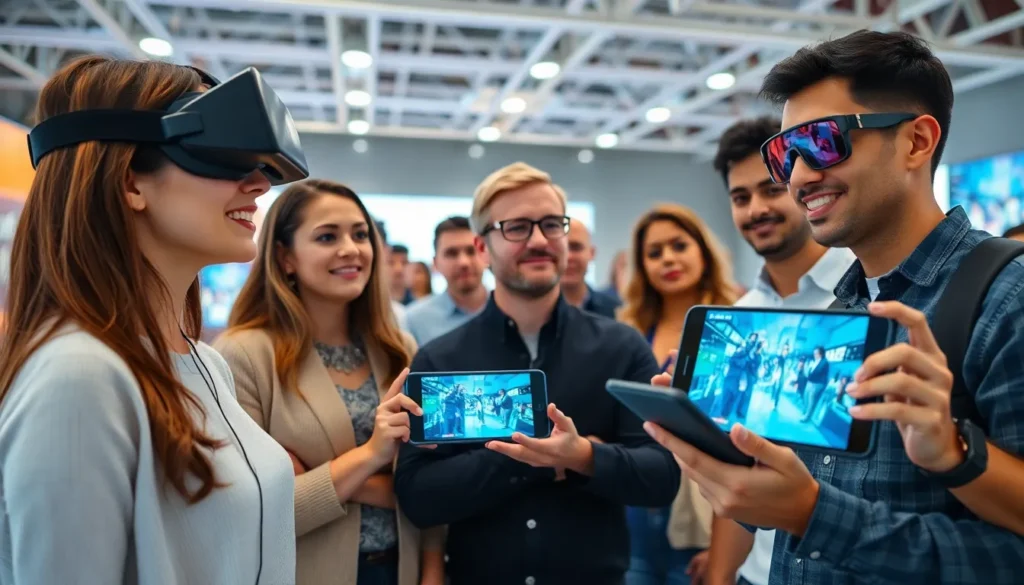
Immersive technology is reshaping the way people experience digital content, blending the physical and virtual worlds like never before. From virtual reality (VR) to augmented reality (AR) and mixed reality (MR), these innovations are not just transforming entertainment but also revolutionizing industries such as education, healthcare, and real estate.
As users engage with immersive experiences, they find themselves fully absorbed in interactive environments that enhance learning, collaboration, and creativity. This technology is paving the way for new possibilities, making it essential to understand its impact and potential. Exploring immersive technology reveals a future where reality is redefined, offering exciting opportunities for both individuals and businesses alike.
What Is Immersive Technology?
Immersive technology refers to digital experiences that fully engage users through the integration of virtual reality (VR), augmented reality (AR), and mixed reality (MR). These technologies create interactive environments that enhance the way individuals interact with digital content.
Definition and Overview
Immersive technology encompasses a range of digital experiences designed to simulate real-world environments. Virtual reality creates fully immersive experiences using headsets, while augmented reality overlays digital content onto the physical world through smartphones or tablets. Mixed reality combines both elements, allowing virtual objects to interact with the real environment. This blend of realities provides users with novel ways to engage with information, ultimately transforming how they perceive and interact with their surroundings.
Key Components
- Virtual Reality (VR): VR generates interactive, computer-generated environments. Users engage by wearing VR headsets, which block out physical surroundings and immerse them in a virtual world.
- Augmented Reality (AR): AR enhances real-world experiences by superimposing digital information onto the physical environment. Users typically use mobile devices to access AR applications, such as games or educational tools.
- Mixed Reality (MR): MR merges real and virtual worlds, enabling interaction between digital and physical elements. MR experiences often utilize advanced sensors and cameras, facilitating seamless interaction with virtual objects within the real environment.
- Interactivity: Immersive technology provides users with control over their environment through gestures, voice commands, or controllers. This hands-on interaction fosters deeper engagement and enhances the overall experience.
- 3D Audio and Sensory Feedback: Immersive experiences often include spatial audio and haptic feedback, creating a realistic and engaging environment. These elements contribute significantly to user immersion by enhancing the perception of presence.
Types of Immersive Technology
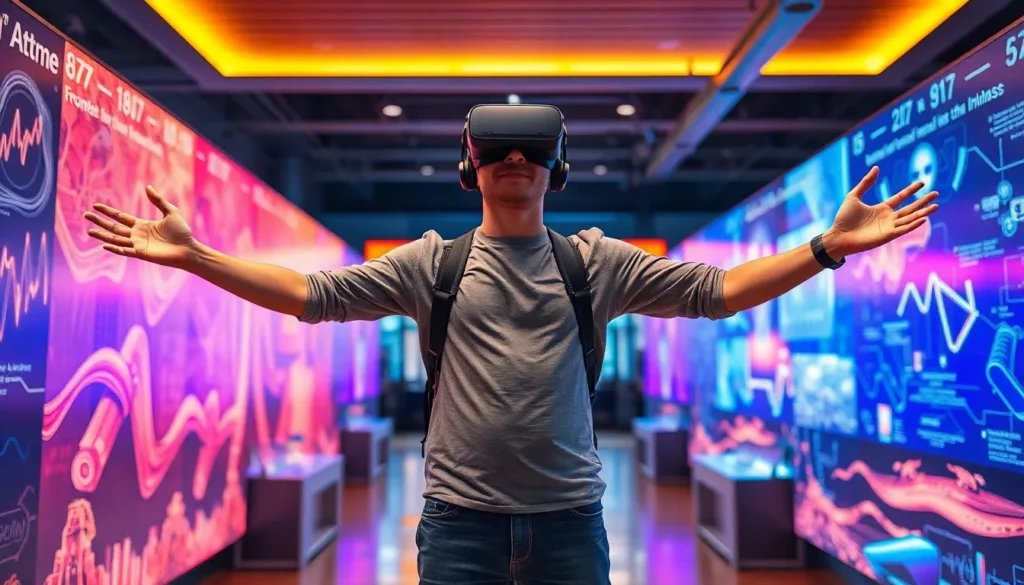
Immersive technology encompasses several distinct types, each offering unique experiences that engage users in different ways. The primary types include virtual reality (VR), augmented reality (AR), and mixed reality (MR).
Virtual Reality (VR)
VR creates fully immersive environments that isolate users from the real world. Users wear headsets that block out external stimuli, placing them inside a 3D digital space. VR systems track movements, allowing users to explore and interact with their surroundings through gestures and controllers. Applications include gaming, training simulations, and virtual tours. Popular VR platforms include Oculus Rift, HTC Vive, and PlayStation VR.
Augmented Reality (AR)
AR enhances the physical world by overlaying digital content onto real-time views. Users access AR experiences through smartphones, tablets, or AR glasses. This technology recognizes surroundings and places interactive elements in relevant locations. AR applications span various fields such as education, retail, and healthcare, providing visualizations and additional information to support real-world tasks. Notable AR tools include Pokémon GO, Microsoft HoloLens, and Google ARCore.
Mixed Reality (MR)
MR blends the physical and digital worlds, allowing virtual objects to interact with real environments. MR experiences leverage advanced sensors and spatial mapping to create seamless integration between real and virtual elements. Users can manipulate digital objects as if they were part of the physical space, enhancing collaboration and creativity. MR is used in sectors like design, architecture, and gaming, with key devices including the Microsoft HoloLens and Magic Leap One.
Applications of Immersive Technology
Immersive technology has diverse applications across various sectors. Below are key areas where these technologies are making significant impacts.
Entertainment and Gaming
Entertainment and gaming utilize immersive technology for engaging experiences. Virtual reality games like “Beat Saber” and “Half-Life: Alyx” offer players fully immersive environments that enhance gameplay depth. Augmented reality applications, such as “Pokémon GO,” encourage outdoor exploration while integrating digital objects into the real world. Mixed reality experiences, exemplified by “The Walking Dead: Saints & Sinners,” blend storytelling and player interaction, pushing the boundaries of traditional gaming.
Education and Training
Education and training benefit from immersive technology by creating interactive learning experiences. Virtual reality enables students to explore historical sites or conduct scientific experiments in a realistic setting, making abstract concepts tangible. Additionally, augmented reality applications like Google Expeditions allow educators to present complex information visually, engaging learners more effectively. Training simulations in industries such as aviation and medicine utilize mixed reality to prepare professionals for real-life scenarios, improving retention and application of skills.
Healthcare
Healthcare applications of immersive technology enhance patient care and training. Virtual reality allows medical professionals to simulate surgeries and practice procedures, helping them improve their skills in a safe environment. Augmented reality, used in surgical settings, provides surgeons with relevant information, such as anatomical overlays, enhancing precision during operations. Additionally, virtual reality therapy offers therapeutic benefits for patients dealing with phobias or PTSD, helping to reduce anxiety through controlled exposure simulations.
Benefits and Challenges
Immersive technology offers remarkable advantages while presenting specific challenges in its implementation. Understanding both aspects is essential for businesses and individuals considering its integration.
Advantages of Immersive Technology
- Enhanced Engagement: Immersive technology captivates users through interactive experiences. VR and AR create environments that maintain attention and foster deeper connections to content.
- Improved Learning Outcomes: Educational settings benefit from immersive experiences, which promote retention and understanding. Simulated environments enable hands-on learning, making complex concepts easier to grasp.
- Increased Collaboration: Teams can collaborate more effectively using MR environments. They can visualize data together, experiment with concepts, and engage in real-time discussions.
- Realistic Training Simulations: Industries like healthcare and aviation utilize VR for training. These simulations prepare professionals for real-life scenarios without risks to safety.
- Innovative Marketing Strategies: AR enhances marketing, allowing customers to visualize products interactively. Businesses can leverage this technology to create unique advertising experiences that attract more consumers.
Challenges in Implementation
- High Development Costs: Creating immersive technology experiences often requires substantial investment. Costs for software and hardware can deter smaller companies from adopting these technologies.
- Technical Limitations: Not all devices support immersive technology effectively. Inadequate hardware or software capabilities can lead to unsatisfactory user experiences.
- User Resistance: Some users may resist adopting new technologies. Familiarity with traditional methods can impact the willingness to engage with immersive solutions.
- Content Creation: High-quality immersive content demands skilled professionals. Limited access to talent can hinder development and implementation efforts.
- Health Concerns: Extended use of VR can result in discomfort. Developers must take health implications into account, ensuring user comfort while maximizing engagement.
Future Trends in Immersive Technology
The evolution of immersive technology continues to transform digital interactions, paving the way for innovative developments. Emerging technologies and their potential impact on various industries promise to redefine user experiences.
Emerging Technologies
Emerging technologies are changing the landscape of immersive systems. Advancements in artificial intelligence (AI) enhance user interaction by personalizing experiences based on behavior and preferences. Enhancements in 5G connectivity significantly reduce latency, allowing for seamless real-time interactions. Additionally, developments in haptic feedback systems provide users with tactile responses to virtual actions, enhancing immersion. Furthermore, the integration of advanced eye-tracking capabilities enables more intuitive control and navigation within VR and AR environments. Companies such as Apple and Google invest heavily in these technologies, indicating a strong future for immersive experiences.
Potential Impact on Industries
The potential impact of immersive technology spans multiple sectors. In education, personalized AR learning modules can adapt to individual student needs, improving comprehension and retention rates. In real estate, virtual tours enable potential buyers to explore properties from remote locations, expanding market reach. The healthcare sector leverages VR for therapeutic programs and AR for improved surgical precision, reducing operational risks. The retail industry benefits from interactive shopping experiences, allowing customers to visualize products in their own space before purchase. As these technologies mature, they promise to enhance productivity, engagement, and user satisfaction across various domains.
Immersive technology is reshaping how individuals and businesses interact with digital content. Its ability to create engaging and interactive experiences is revolutionizing sectors from education to healthcare. As advancements continue to emerge, the potential for personalized and enhanced experiences grows.
The integration of AI, 5G, and other innovations promises to push the boundaries of what’s possible. Companies investing in these technologies are paving the way for a future where immersive experiences become the norm. Embracing these advancements will not only enhance user engagement but also redefine the landscape of digital interaction across various industries.